Reached 2,013 stakeholders nationwide , including 1,050 journalists, 548 lawyers, 149 civil society representatives , 89 law enforcement officials , 87 content creators, and 65 parliamentary and political actors , strengthening awareness and capacity on digital rights, media freedom, and journalist protection.
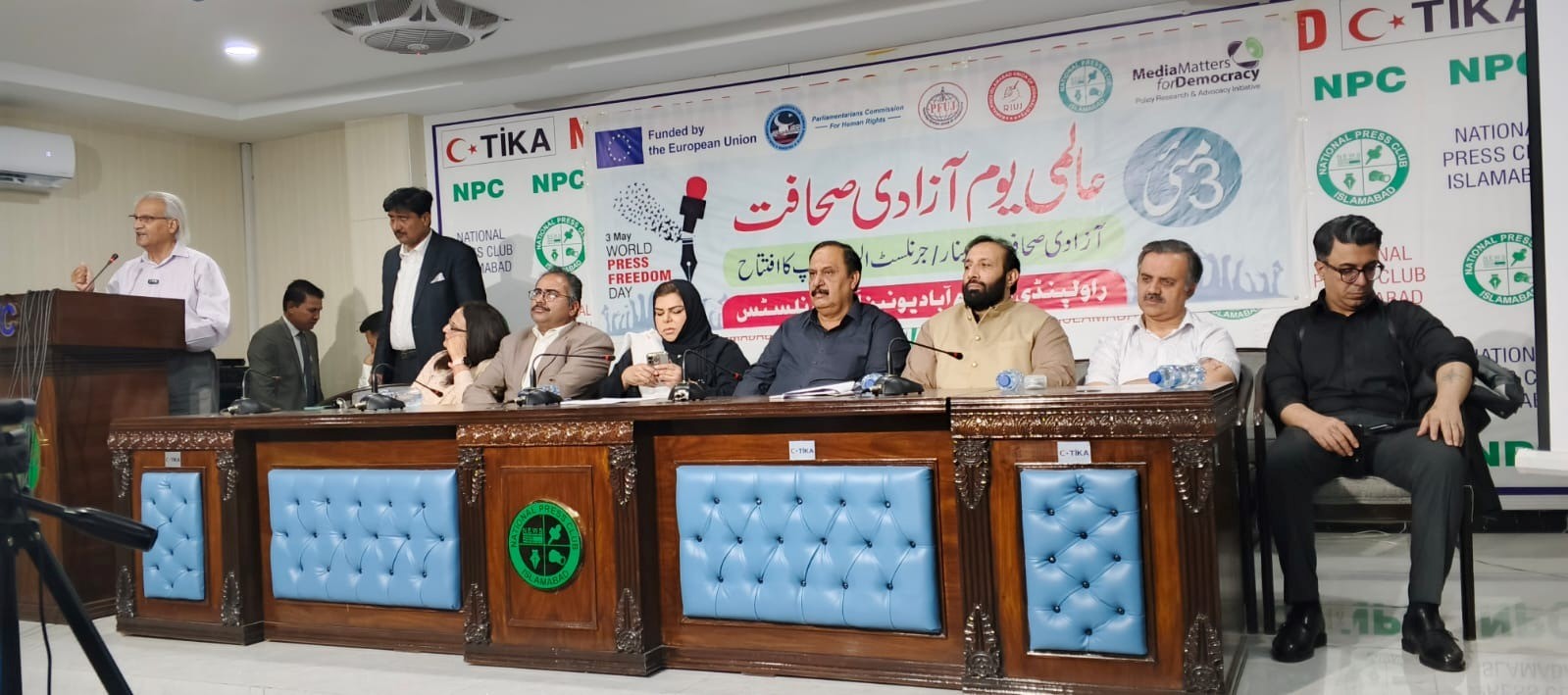
Initiative for Digital and Media Freedoms in Pakistan (IDMF) (2024–2025)
The Initiative for Digital and Media Freedoms in Pakistan (IDMF) strengthened the capacity of media professionals, legal practitioners, policymakers, and civil society actors to safeguard digital rights, promote journalist safety, and advance media freedom and pluralism. Through multi-stakeholder engagement and institutional support, the project contributed to a more coordinated and rights-based response to challenges facing journalists and digital civic spaces.
Key Results
Project ImpactLaunched 01 Journalist Alert App , providing journalists with a dedicated mechanism to enhance safety, facilitate rapid response, and strengthen protection measures.
Engaged 25 government officials from relevant ministries, fostering policy dialogue and institutional coordination on media freedom, journalist safety, and digital rights issues.
Strengthened the capacity of 1,050 journalists and media professionals to better understand legal protections, digital security, and emerging challenges to media freedom.
Built the knowledge of 548 lawyers and legal practitioners to support rights-based advocacy and legal protection mechanisms for journalists and media actors.
Enhanced coordination among key stakeholders, including lawmakers, law enforcement agencies, civil society organizations, and media professionals, to address threats to freedom of expression and digital civic space.
Promoted media pluralism and digital rights awareness through targeted engagement with content creators, policymakers, and civil society representatives.
Contributed to stronger institutional frameworks for journalist protection and digital freedoms, supporting a multi-stakeholder approach to advancing freedom of expression in Pakistan.

Enhancing Minority-Friendly Law Enforcement in Pakistan: Advancing Reforms and Strengthening Institutional Capacities (2024–2025)
This initiative strengthened police systems and institutional mechanisms to improve the protection of religious minorities through policy reforms, capacity building, and community-police engagement.
Key Results
Institutional ReformEstablished 01 Minority Communities Policing Forum in Islamabad, creating a formal platform for engagement between police and minority communities.
Reviewed 10 police training curricula and developed specialized modules on minority rights, cultural diversity, and interfaith harmony for integration into police training systems.
Trained over 300 police officials through Police Training Colleges in Sihala, Lahore, and Islamabad on minority-inclusive policing practices.
Assessed 48 Meesaq Centres with 172 staff members, which have collectively served more than 90,000 minority community members since August 2023.
Developed a strategic framework for the National Police Bureau's Minorities Protection Unit, providing a roadmap for strengthening nationwide protection mechanisms for minority communities.
Secured commitments from senior police leadership to advance reforms related to minority protection, police training, and inclusive law enforcement.

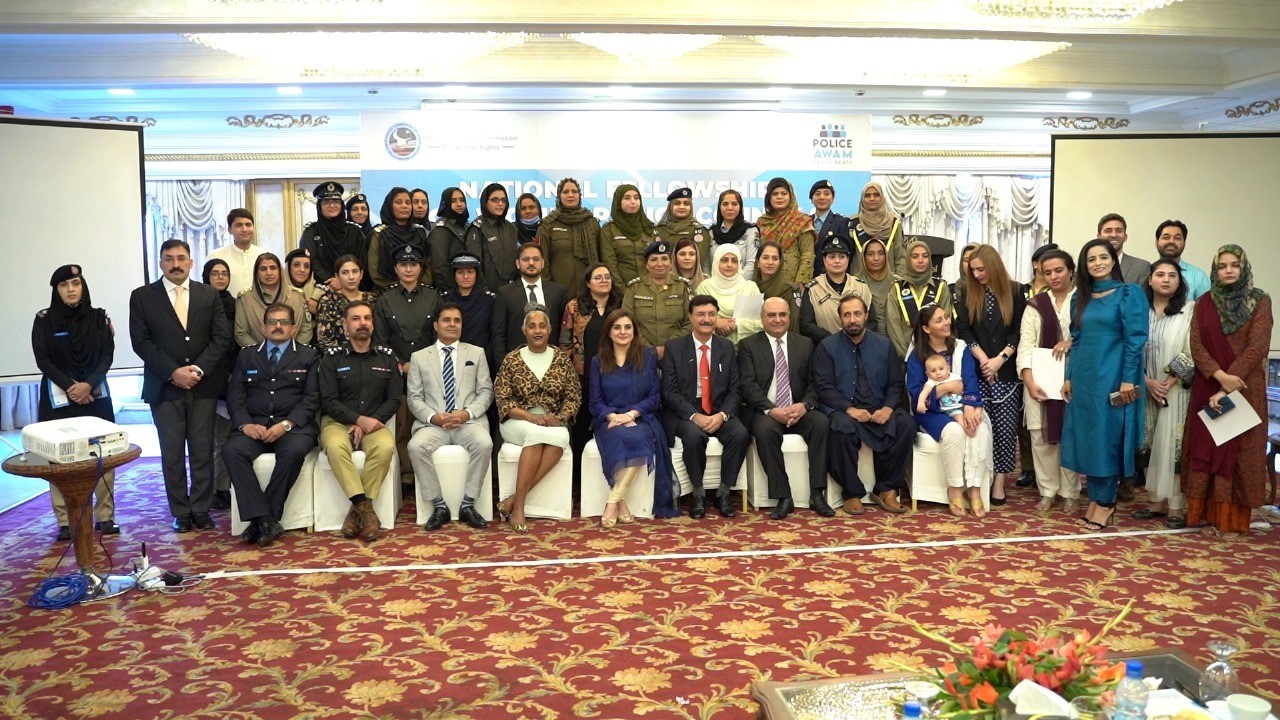
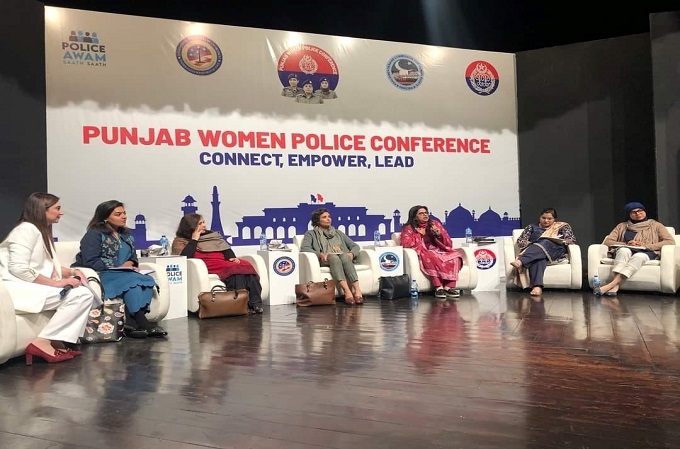
Enhancing Women’s Inclusion in Pakistan’s Police Force (2022–2023)
This initiative accelerated the implementation of Police Reforms Commission (PRC) recommendations on gender-inclusive policing through targeted policy engagement, institutional strengthening, and nationwide advocacy platforms. By convening key stakeholders across government, parliament, and law enforcement agencies, the project contributed to concrete reforms aimed at increasing women’s representation and improving gender-responsive policing services.
Key Results
Gender-Inclusive PolicingEstablished 04 Women Police Councils at Punjab, Sindh, Balochistan and AJ&K creating institutional platforms to advance women’s leadership, representation, and professional development in policing.
Reached over 1,065 key stakeholders , including 65 parliamentarians, police officials, to build support for gender-responsive policing reforms
Convened 02 National Police Conferences in Islamabad, bringing together 275 senior policymakers , police leadership including 13 serving and 9 former IGPs , and practitioners to advance the national police reform agenda.
Organised 05 Regional Women Police Conferences across Punjab, Khyber Pakhtunkhwa, Azad Jammu & Kashmir, Balochistan, and Gilgit-Baltistan, promoting knowledge exchange and region-specific action on women’s inclusion in policing.
Strengthened the Gender Protection Unit at the National Police Bureau through technical support, enhancing institutional capacity to promote gender equality and survivor-centred policing practices, resulted in a series of Annual Gender Crime Reports.
Supported infrastructure upgrades and survivor-centric service improvements in police stations, contributing to more accessible and gender-sensitive law enforcement services.

The TAHAFFUZ Project
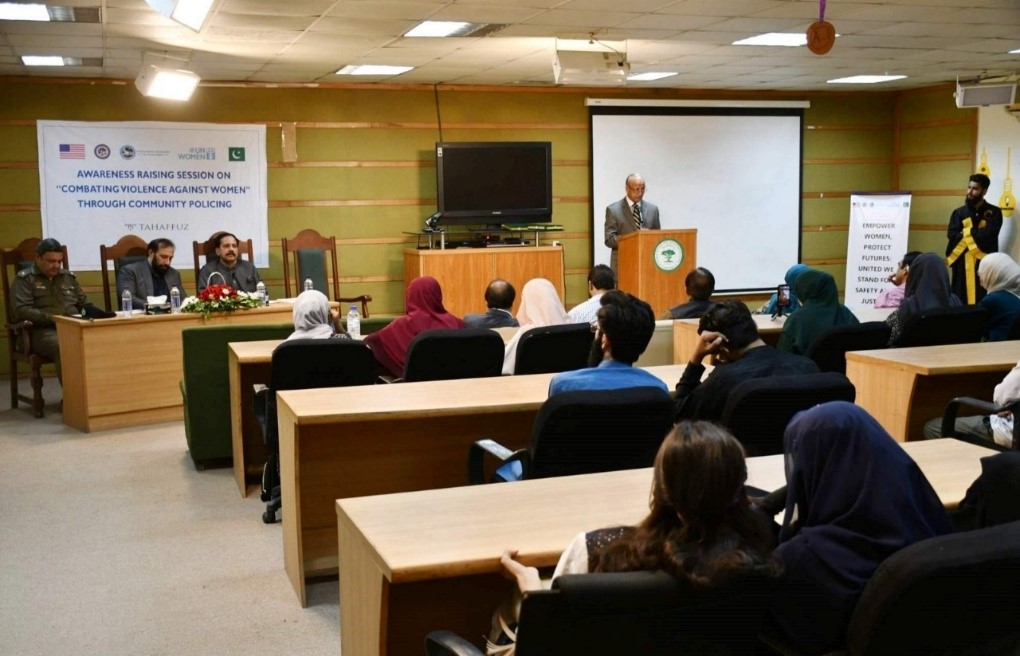
The TAHAFFUZ Project strengthened survivor-centred justice mechanisms under the Anti-Rape (Investigation and Trial) Act, 2021 by enhancing institutional capacities, improving inter-agency coordination, and expanding access to quality legal, medical, and investigative support for survivors of gender-based violence (GBV).
Key Results
Survivor-Centred JusticeEstablished 01 Anti-Rape Crisis Cell (ARCC) in Rawalpindi, expanding integrated and survivor-centred support services for GBV survivors.
Built the capacity of 676 justice sector professionals , including 85 Medico-Legal Officers (MLOs) , 67 Investigation Officers (IOs) , and 524 women lawyers, to improve survivor-sensitive case handling, investigations, and legal representation.
Developed and disseminated 01 Police–Prosecutor Cooperation Handbook , strengthening coordination between law enforcement and prosecution services for effective case management under the Anti-Rape Act.
Conducted specialized training programmes on GBV case management, enhancing the technical capacity of justice actors to deliver timely and survivor-focused justice services.
Established Service Provider Networks, improving referral pathways and coordination among legal, medical, psychosocial, and protection service providers.
Implemented 04 large-scale social media awareness campaigns and 20 community awareness sessions across Islamabad, Lahore, Multan, and Rawalpindi, increasing public awareness of survivor rights, available services, and legal protections.
Organized 08 HeForShe advocacy sessions , engaging men and boys as allies in promoting gender equality and preventing gender-based violence.
Produced evidence-based policy briefs, contributing to informed policy discussions and strengthening legislative and institutional responses to GBV.
Engaged 194 key decision-makers , including 147 government representatives and 47 parliamentarians, through high-level policy dialogues to advance reforms and strengthen implementation of survivor-centred justice mechanisms.
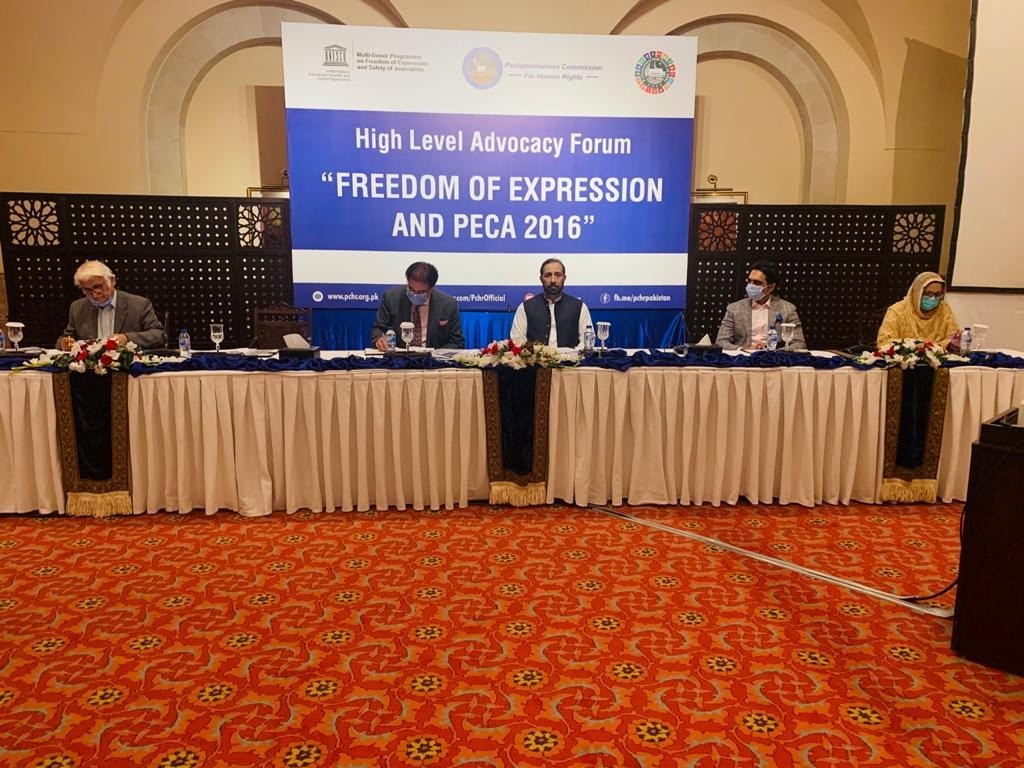
Strengthening Freedom of Expression and Access to Information Online (2020)
This initiative promoted freedom of expression, access to information, and the safety of journalists in Pakistan through evidence-based advocacy, policy engagement, and stakeholder consultations. The project contributed to informed dialogue on digital rights, media freedoms, and Pakistan’s compliance with national and international human rights commitments.
Key Results
Freedom of ExpressionProduced 01 comprehensive advocacy report analyzing the Prevention of Electronic Crimes Act (PECA) 2016, journalist safety legislation, Pakistan’s Universal Periodic Review (UPR) commitments, and the UN Plan of Action on the Safety of Journalists.
Engaged 49 parliamentarians through policy discussions and consultations, strengthening legislative awareness and support for reforms related to freedom of expression and access to information.
Mobilized over 100 senior journalists and media professionals , fostering informed dialogue on digital rights, media freedom, and journalist protection mechanisms.
Supported Pakistan’s compliance with international human rights obligations by generating policy inputs linked to UPR commitments and global standards on freedom of expression and journalist safety.
Strengthened collaboration between lawmakers, media representatives, and civil society stakeholders by creating a platform for coordinated advocacy on digital freedoms and access to information.
Advanced policy dialogue on journalist safety and online freedoms, contributing to greater awareness of rights-based approaches to media regulation and protection of civic space.
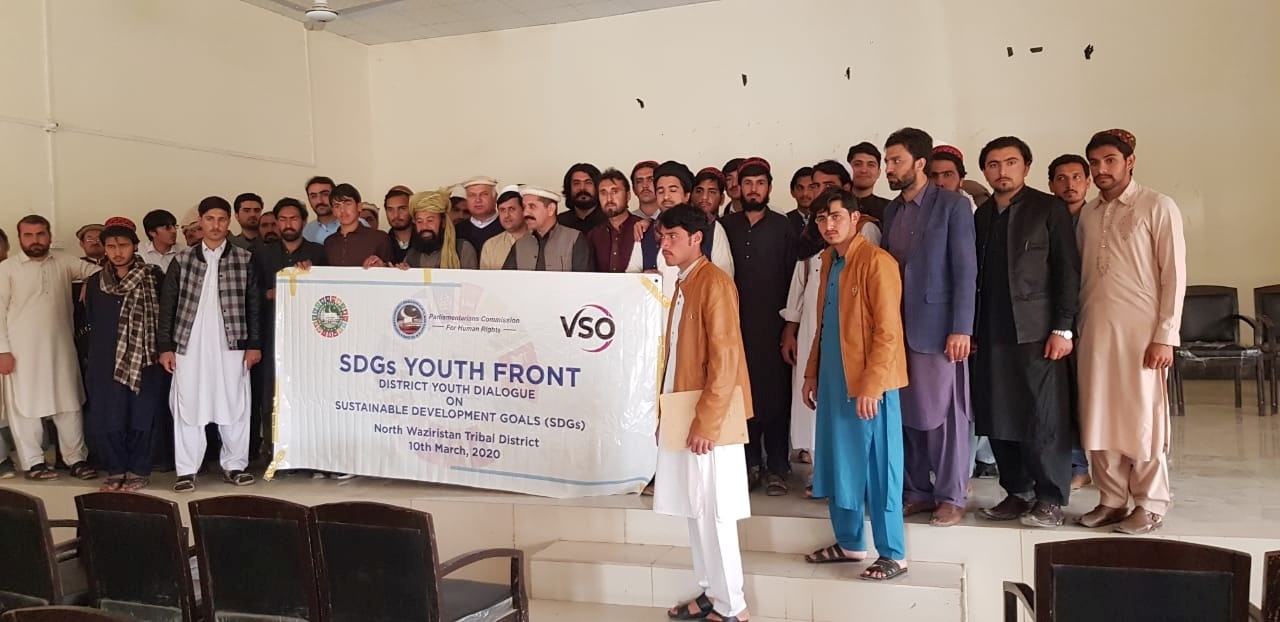
SDGs Youth Front (2021)
Implemented in partnership with the Parliamentarians Commission for Human Rights (PCHR), the SDGs Youth Front mobilized young leaders in Waziristan to promote awareness and localization of the Sustainable Development Goals (SDGs). The initiative strengthened youth leadership, civic engagement, and community participation in post-conflict areas, while creating opportunities for dialogue between young people, local authorities, and policymakers.
Key Results
Youth LeadershipEngaged 140 youth leaders across 12 Union Councils in North and South Waziristan Tribal Districts, building a grassroots network of SDG champions and community advocates.
Conducted a series of trainings, dialogues, and community mobilization activities, strengthening youth capacity to promote sustainable development, civic participation, and democratic values.
Empowered 140 young leaders to act as local SDG advocates, increasing awareness of development priorities and citizen rights within their communities.
Engaged 15 parliamentarians in discussions on youth priorities and local development challenges, fostering greater responsiveness to community needs.
Facilitated collaboration with local tribal administrations, strengthening community ownership and support for youth-led development initiatives.
Promoted civic awareness and social inclusion in historically marginalized and post-conflict communities, increasing youth participation in local decision-making processes.
Established a platform for sustained dialogue between youth and policymakers, strengthening trust, democratic engagement, and collaborative approaches to peace and development.
Contributed to the localization of the SDGs in Waziristan, linking community priorities with national development agendas and fostering long-term youth leadership for peacebuilding and social cohesion.
Citizens Engagement for Effective Legislative Governance (2013–2014)
This initiative sought to strengthen legislative governance and parliamentary transparency in Pakistan
Under this activity, carried out extensive research studies, supported rule amendments, and facilitated the formation of nine multi-stakeholder caucuses .
Organised awareness sessions, public hearings, and the development of training manuals to address institutional gaps, particularly within the Public Accounts Committee (PAC).
Engaged 67 parliamentarians , resulted in key procedural reforms, improved transparency through the introduction of web-based access to parliamentary committee proceedings
Workshops on UN Human Rights System for Journalist Safety (2023)
This initiative focused on strengthening the safety and protection of journalists by building their capacity to engage with UN human rights mechanisms.
Trained 100+ journalists, promoted awareness of press freedom and protection mechanisms, and facilitated connections with UN human rights systems.
Engaged 15–20 parliamentarians for creating stronger institutional linkages for advancing journalist safety in Pakistan.
Series of workshops were held in Peshawar, Karachi, Lahore, and Islamabad, equipping participants with practical knowledge of international instruments and reporting pathways related to journalist safety.